Two Scatters and a Story: Why Big Bass Bonanza Near-Misses Feel Like Progress

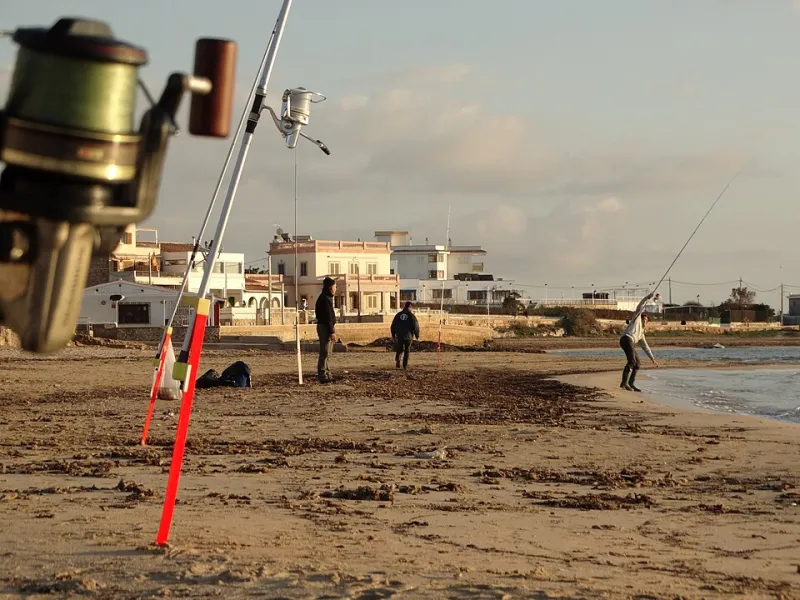
Photo: Amir adell, CC BY-SA 4.0, via Wikimedia Commons
The Feeling Is Real. The Progress Isn't.
You know the moment. Two fisherman scatters are already parked on the reels, the last reel is still spinning, and the whole screen seems to lean in. The final symbol clicks into place. It is not a third scatter. The bonus does not start. And yet, for a second, it felt like something happened.
That is the near-miss feeling in Big Bass Bonanza, and it is one of the most seductive things about the game. A pair of scatters can feel like a down payment on a bonus. A fisherman who almost lands can feel like the lake is teasing you. But here is the part worth saying plainly: in the actual math of the slot, two scatters are not progress. They are a losing spin with better scenery.
This is not a lecture about luck. It is a field guide to the gap between what the reels make you feel and what they actually count.
What Big Bass Bonanza Actually Counts
Big Bass Bonanza is a five-reel, three-row slot with 10 paylines. The fisherman is the scatter. You need at least three of them to trigger the free spins feature. Two scatters do not start the bonus, do not advance a meter, and do not make the next spin more likely to produce a third. The reels do not remember the near miss. The game does not owe you a follow-up cast.
Each spin is generated independently. The advertised RTP, 96.71% in the standard version, is a long-run average across an enormous number of spins. It is not a promise for your session, and it is certainly not a prediction after a pair of scatters. The next spin has the same odds it had before the tease.
That sounds obvious written down. It feels less obvious when the fisherman is large, animated, and staring back at you from two reels while the third reel slows to a crawl.
Why the Reels Are Built to Tease
Slot designers know that anticipation sells. Big Bass Bonanza leans into it with a character scatter, lively fishing imagery, and a final-reel pause that can make a routine spin feel like a tournament weigh-in. The game is not doing anything shady. It is doing what entertainment products do: it is making an ordinary outcome feel dramatic.
And near misses are common. Scatters are not supposed to land in bunches, so plenty of spins will show one or two fishermen without a third. Your brain does not file those spins as random blanks. It files them as stories: the one that got away, the bonus that almost started, the cast that was just a little short.
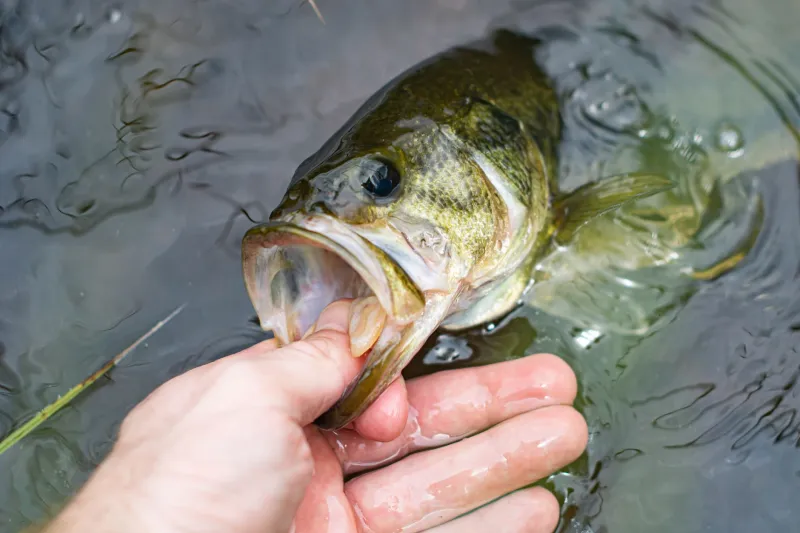
That is the fishing metaphor doing extra work. In real bass fishing, a follow-up cast can matter because fish behavior changes. In a slot, the reels are not a lake. They are a random number generator wearing a bass boat.
The Psychology of Almost
Near-miss psychology is well documented in gambling research. An outcome that looks close to a win can trigger excitement and attention even when it pays nothing. The brain treats the near miss as information: I was close, so maybe I should keep going. That is not a character flaw. It is how pattern-seeking humans are wired.
Add a few familiar biases and the tease gets stronger. The gambler's fallacy whispers that a bonus is due. The illusion of control suggests that timing, bet size, or spin speed had something to do with it. Sunk cost makes it feel wasteful to leave after a tease. Loss aversion makes the missed bonus feel like something you lost rather than something you never had.
Big Bass Bonanza's theme amplifies all of this because it gives the nearmiss a narrative. A blank spin is just a blank spin. Two fishermen and a slow third reel is a story about the one that got away. Stories are stickier than math.
Keeping a Tease From Becoming a Tab
The goal is not to feel nothing when a bonus almost lands. The goal is to stop the feeling from making decisions for you. A few practical habits help.
Call two scatters what they are. When the bonus does not trigger, say it plainly: that spin paid nothing. No progress, no credit, no rain check. Naming the outcome correctly takes some of the story's power away.
Set the session before the first cast. Decide what you are willing to spend, divide it into a sensible number of spins, and treat that number as the lake closing. Do not top up because the reels teased you.
Do not raise your bet after a near miss. A bigger spin does not turn two scatters into three. It only makes the next miss more expensive. If anything, a near-miss cluster is a cue to slow down, not to cast harder.
Use time limits and breaks. Set an alarm. Step away after a bonus, a long dry stretch, or a cluster of teases. A ten-minute break is cheaper than a chase session.
Lean on casino tools where legal in the US. Deposit limits, loss limits, and session reminders exist for exactly this reason. They are not punishment. They are the equivalent of leaving the live well closed.
Try demo mode first. Big Bass Bonanza demo play can show you how often the tease shows up without putting dollars on the line. It will not tell you what the next spin will do, but it can reset your expectations.
The Takeaway
A near miss in Big Bass Bonanza is theater, not a forecast. The two-scatter spin is a visual story, not a mechanical step toward the bonus. You can enjoy the tease for what it is, a bit of fishing-themed drama, without treating it as a reason to keep casting.
The best anglers know when to reel in. The same goes for the slot. Play for entertainment, keep your limits where you can see them, and do not let the one that got away become the reason you stay too long. If gambling stops being fun, call 1-800-GAMBLER or use your state's responsible gambling resources.