Two Five-Dollar Tickets: Big Bass Bonanza and the Scratch Card Reality Check
Big Bass Bonanza and a $5 scratch ticket have a lot in common from the player's chair. Both are impulse-sized purchases. Both offer a quick jolt of hope. Both can turn a slow Tuesday into a three-minute story. And both are bad places to park money you need for rent. But once you move past the counter vibe, the math splits. The slot is a reel-based game with a published return-to-player percentage and a bonus feature that can stretch a session. The scratcher is a fixed-prize lottery product with odds printed on the back. That difference is the whole test.
The Counter Test: Same Five Bucks, Different Math
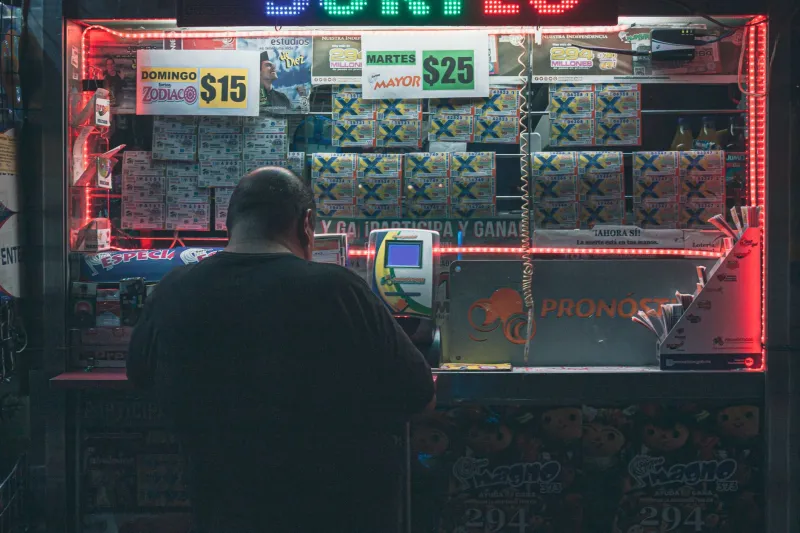
Imagine you walk into a convenience store with $5. One option is a scratch ticket. The other is five $1 spins on Big Bass Bonanza, assuming you are playing legally online or at a regulated venue in your state. On the surface, the decision feels like a coin flip. In practice, you are comparing two completely different products.
A scratch ticket is a one-shot reveal. You scratch, you see, you are done. The prize structure is already printed and the odds are fixed for that game. Big Bass Bonanza is a session product. You can spin once, spin fifty times, or stop whenever you want. The game also has a free spins bonus, wilds, and multiplier tiers that can make a short session feel like a miniature tournament. That flexibility is fun, but it also means the slot asks more of your decision-making. A scratcher asks only whether you want to buy another one.
What 96.71% Actually Means at the Register
Big Bass Bonanza is commonly listed at 96.71% RTP, though versions and markets can vary, so always check the paytable on the game you are actually playing. In plain English, that number describes the theoretical average return over millions of spins. It does not mean you will get $4.84 back from every $5 spin. It means the game is built to pay out roughly 96.71% of all money wagered across a massive sample, with the rest going to the operator and the costs behind the game.
Scratch tickets work with a similar idea but usually a lower player return. State lotteries publish prize payout percentages, and many scratch games return something in the 60% to 75% range depending on the state and the specific ticket. That is not a typo. A $5 scratcher with a 65% overall payout is designed to return about $3.25 per $5 across the whole game, not per ticket. Your single ticket can win $50 or lose everything. The average is a long-run accounting fact, not a promise for your next purchase.
That is the first big difference: the slot's published RTP is generally higher than a typical scratcher's overall payout, but the slot's number is also tied to a game with many outcomes and a bonus feature. The scratcher's number is tied to a finite prize pool. Neither number tells you what happens in the next five minutes.
Hit Frequency: The Feeling of 'Almost' vs. 'At Least Something'
Hit frequency is the share of plays that return something. In Big Bass Bonanza, you will see plenty of spins that return less than your stake, plus occasional spins that return more. The game is designed to keep the reel moving, which is why small returns and near-misses can feel like progress. A scratcher can do the same thing with its own visual language: a matching symbol, a bonus word, or a prize box that almost lines up.
The difference is pacing. A slot can hand you a string of small wins that make a $20 session last longer than you expected. A scratcher gives you one result and no pacing control. If you buy five tickets, you are essentially buying five independent reveals. If you spin five times on Big Bass Bonanza, you are buying five independent outcomes with a chance at a bonus that can change the shape of the session.
Neither format is 'due.' A scratcher that has not produced a winner is not closer to one. A slot that has gone cold is not warming up. The random mechanism does not remember your last purchase.
Volatility Is the Part Your Brain Hides
Volatility describes how wildly results swing. Big Bass Bonanza is often described as medium-to-high volatility, which means long dry spells are possible and the bonus feature carries a lot of the excitement. Scratch tickets can also be high variance, especially when the top prizes are huge and rare. The key difference is that the slot lets you decide how long you stay in the water. The scratcher is over the moment you scratch it.
That matters for budgeting. With a slot, you can set a spin size and a stop point. With a scratcher, the decision point comes before you hand over the cash. If you are prone to 'one more ticket' thinking, the scratcher can be deceptively dangerous because each ticket feels final. If you are prone to chasing a bonus, the slot can be deceptively dangerous because the free spins feature feels like a second chance. Both are entertainment products, not investments.
A Budget That Works for Both Without Pretending They Are Investments
Use the same rule for both: decide the entertainment money before you start, and treat it as spent. For scratchers, that might mean $10 at the counter and no second trip. For Big Bass Bonanza, it might mean a $20 session with $1 spins and a hard stop when the balance hits zero or the timer goes off. Do not reload because the game 'owes' you a bonus. Do not buy another ticket because the last one was close.
Also, separate the fun money from the real money. A scratch ticket is not a savings account with better graphics. A slot session is not a side hustle. The 96.71% RTP is a long-run average, and the scratcher's payout percentage is a long-run average too. Your short session is just one tiny page in a very large book.
If you play Big Bass Bonanza, play where it is legal in your state, check the game's paytable, and keep the session sized to your budget. If you buy scratchers, read the odds on the back and remember that the top prize is not the typical prize. The scratch-off test is not about which product is 'better.' It is about seeing both for what they are: quick, random entertainment with a house edge, not a plan for your money.